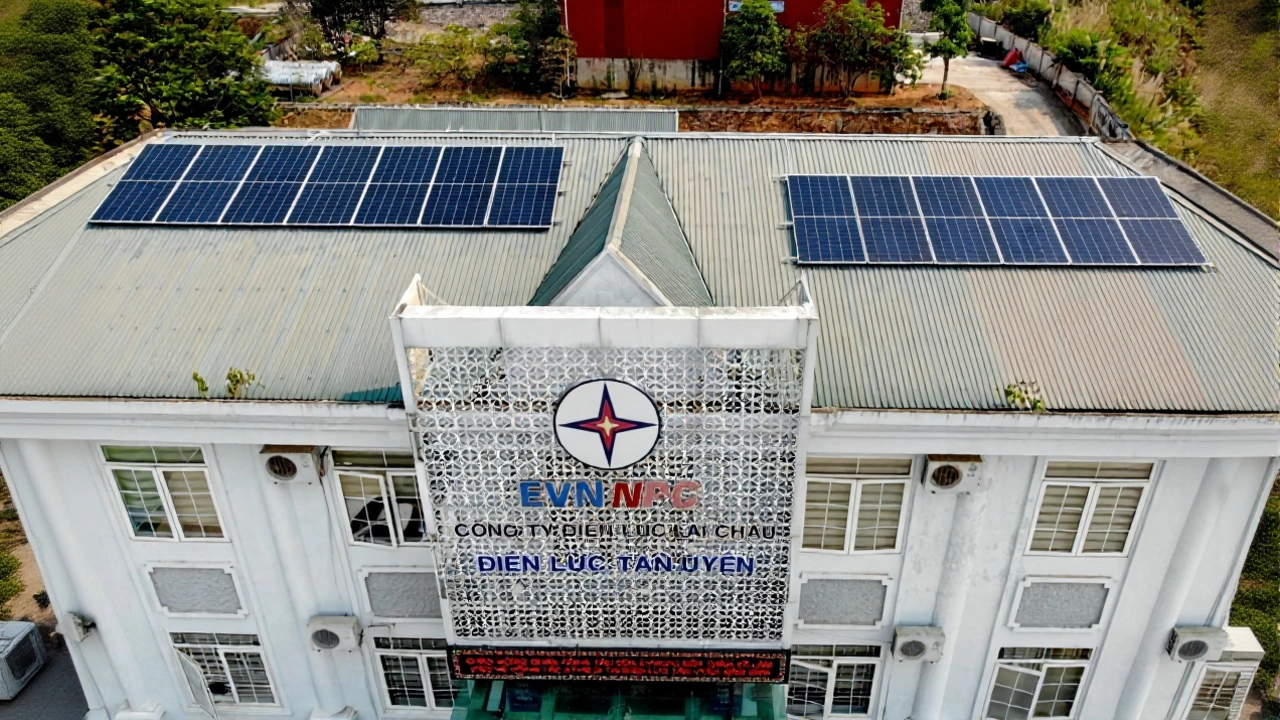
When Nguyen Duc Tho, Deputy Director of Lai Chau Power Corporation, announced the company's aggressive push into rooftop solar, it signaled a major pivot for one of Vietnam’s key electricity distributors. The move isn't just about installing panels; it's a strategic shift toward self-sufficiency in Lai Chau Province, a region known more for its rugged terrain than its tech infrastructure.
The twist is that this transition is happening from within. Rather than relying solely on external grid upgrades, the utility is turning its own facilities into power plants. Here’s the thing: utilities are often seen as the old guard, slow to adopt the very technologies they distribute. But wait—this initiative flips that script entirely.
A Self-Sufficient Strategy
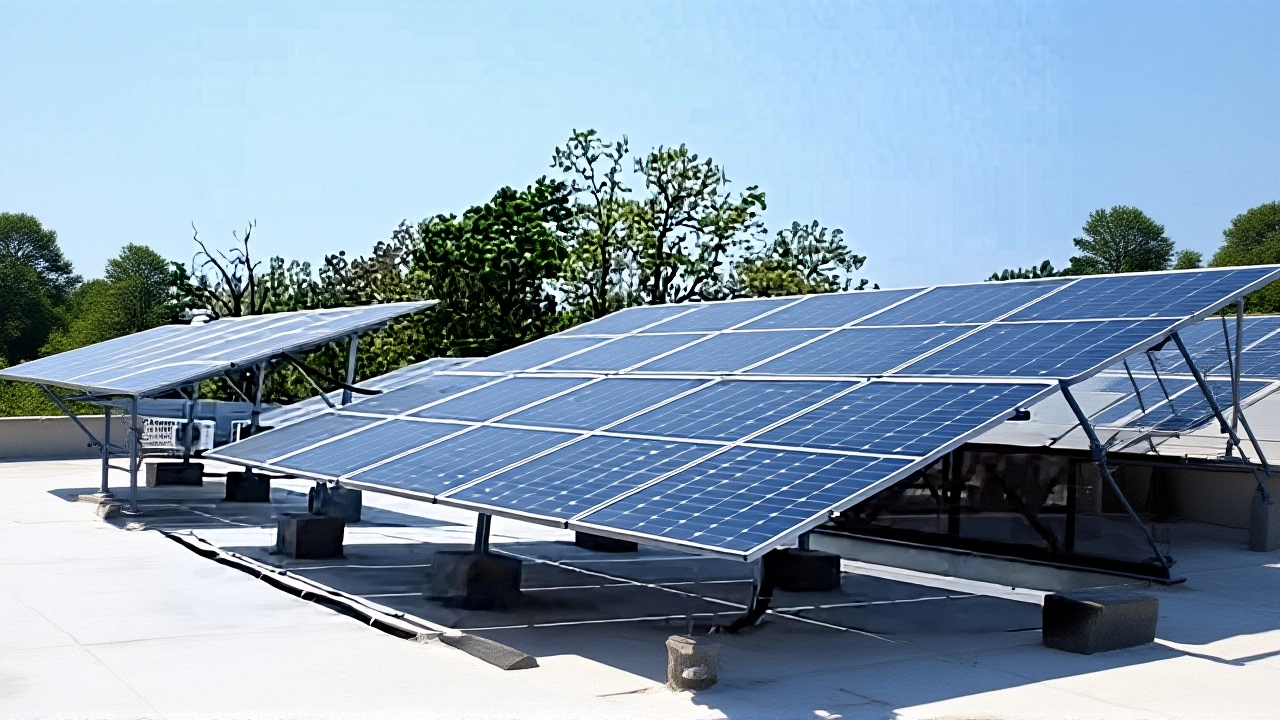
"The company has implemented many important measures to develop self-reliant rooftop solar power," Tho stated recently. This phrasing is significant. "Self-reliant" suggests a focus on self-consumption models, where the electricity generated on-site is used immediately by the corporation’s offices, substations, and operational hubs. It reduces strain on the main grid and lowers operational costs simultaneously.
But why now? The details point to a broader national trend. Vietnam has been grappling with power shortages during peak summer months in recent years. By generating its own clean energy, Lai Chau Power Corporation is hedging against volatility while aligning with government mandates for green development. It’s a pragmatic move disguised as an environmental one.
The 30% Target
The most concrete data point comes from Tho himself: the company aims to source at least 30% of its relevant energy needs from these rooftop installations. While the specific metric (whether total consumption or office load) remains slightly ambiguous in initial reports, the scale is undeniable. For a utility provider, hitting a triple-digit percentage target in renewables is no small feat.
Turns out, this number serves as both a benchmark and a marketing tool. It signals to stakeholders that the corporation is serious about decarbonization. In an industry where carbon footprints are under increasing scrutiny, having a hard number like "30%" gives investors and regulators something tangible to latch onto.
Challenges in the Mountains
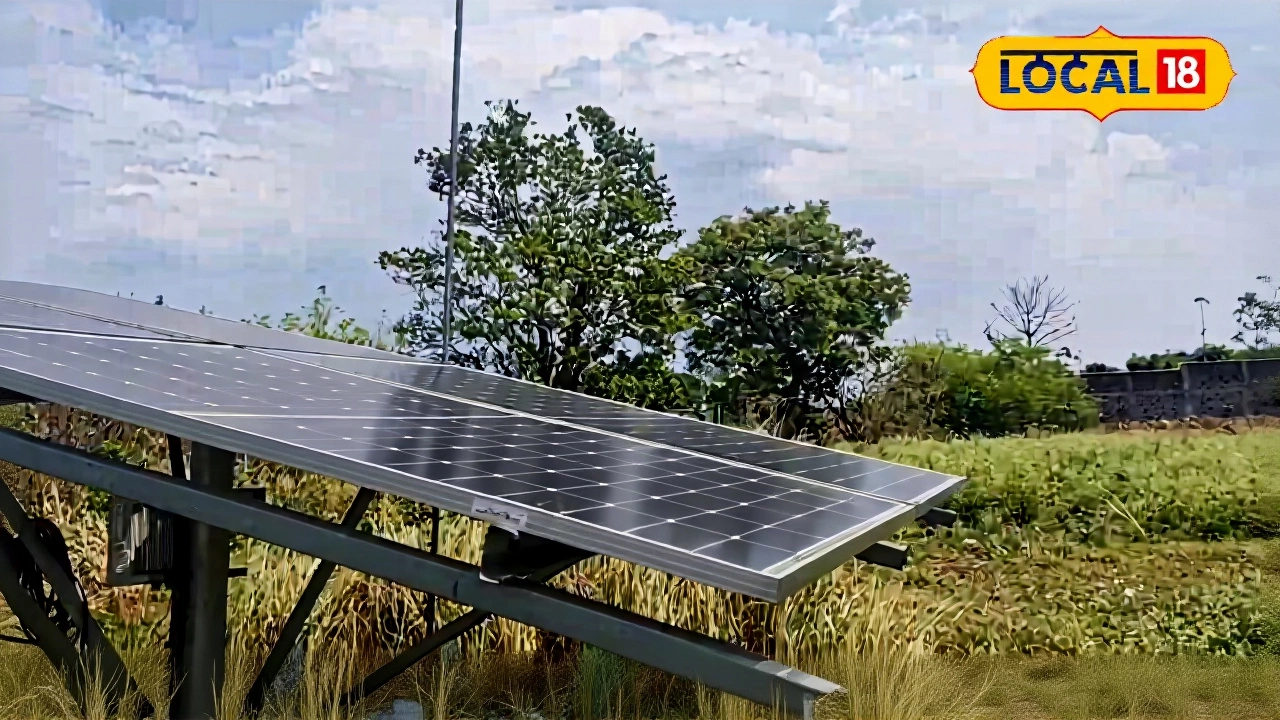
Lai Chau Province presents unique logistical hurdles. Located in northwest Vietnam, the area features steep slopes and variable weather patterns. Installing solar arrays here requires robust engineering solutions. Standard flat-roof setups won’t cut it. The corporation likely had to invest in specialized mounting systems and higher-efficiency panels to maximize output in less-than-ideal conditions.
Oddly enough, this geographic challenge might actually be an advantage. By proving that solar can work efficiently in difficult terrains, Lai Chau Power sets a precedent for other rural utilities across Southeast Asia. If they can do it here, they can do it anywhere.
Broader Implications for Vietnam’s Grid
This local initiative ripples outward. As more provincial utilities adopt similar strategies, the national grid becomes more decentralized and resilient. Instead of massive centralized power plants feeding everything, you get a network of smaller, distributed generation sources. This reduces transmission losses—a chronic issue in Vietnam’s aging infrastructure.
Furthermore, it encourages local economic activity. Installation, maintenance, and monitoring create jobs within the province. It’s not just about electrons; it’s about community engagement and sustainable growth.
What’s Next?
Industry watchers are keen to see how quickly the 30% target will be met. Will it take two years? Five? The timeline hasn’t been explicitly detailed, but pressure is mounting. With global climate commitments looming, Vietnamese corporations face increasing expectations to report on their ESG (Environmental, Social, and Governance) metrics.
We’ll also be watching for partnerships. Is Lai Chau Power working with international solar manufacturers? Are they leveraging government subsidies? These details will emerge as the project scales up.
Background Context
Vietnam’s renewable energy sector has exploded since 2019, driven by attractive feed-in tariffs. However, those incentives have cooled, forcing companies to find new business models. Self-consumption is one such model. It allows businesses to bypass volatile market prices and lock in stable energy costs over the long term.
Lai Chau Power Corporation operates under the umbrella of larger state-owned enterprises, yet it retains enough autonomy to innovate. This balance between central control and local agility is characteristic of Vietnam’s evolving energy landscape.
Frequently Asked Questions
Who is leading this solar initiative at Lai Chau Power?
The project is spearheaded by management at Lai Chau Power Corporation, with public statements and strategic direction provided by Deputy Director Nguyen Duc Tho. He emphasized the importance of self-reliance and set the ambitious 30% target for renewable integration.
What does "self-reliant" rooftop solar mean?
It refers to a system where the electricity generated by solar panels is primarily consumed on-site by the building or facility itself, rather than being fed back into the main grid. This reduces dependency on external power supplies and stabilizes energy costs for the operator.
Why is Lai Chau Province significant for this project?
Located in northwest Vietnam, Lai Chau has challenging topography and weather. Successfully implementing large-scale solar here proves that renewable energy can thrive in difficult environments, setting a technical precedent for other rural regions in Southeast Asia.
What is the 30% target referring to?
While the exact metric wasn't fully specified in early reports, Deputy Director Nguyen Duc Tho indicated that the company aims to meet at least 30% of its energy requirements through rooftop solar. This likely applies to corporate office loads and potentially some operational facilities.
How does this fit into Vietnam's broader energy goals?
Vietnam is transitioning away from coal-heavy grids toward renewables to meet climate commitments and address power shortages. Decentralized solar projects like this help stabilize the national grid, reduce transmission losses, and promote sustainable development at the provincial level.